How Roof Ventilation Helps Prevent Moisture and Mold
Roof ventilation helps prevent moisture and mold by promoting airflow, and local contractors can install and maintain systems that keep your attic dry and healthy.
Understanding how roof ventilation helps prevent moisture and mold is essential for property owners looking to protect their investments and maintain a healthy living environment. Proper ventilation allows excess humidity to escape from the attic and roof space, reducing the chances of condensation buildup that can lead to mold growth and structural damage. For homeowners and business owners in the area, exploring effective roof ventilation options can be a practical step toward avoiding costly repairs and ensuring their property remains safe and comfortable over time.
Many local contractors specialize in installing and maintaining roof ventilation systems tailored to the specific needs of properties in the community. These experts can assess existing ventilation setups, recommend improvements, and install solutions that promote airflow and moisture control. Keeping moisture levels in check not only helps prevent mold but also extends the lifespan of roofing materials. Continuing to read can provide valuable insights into how the right roof ventilation system, installed by trusted local service providers, can make a meaningful difference in preserving property value and indoor air quality.
- Attic Insulation Installation - homeowners noticing excess moisture or mold growth may need attic ventilation improvements handled by local contractors to promote airflow.
- Roof Ventilation System Upgrades - when existing ventilation is inadequate, local service providers can install or upgrade systems to help prevent moisture buildup and mold issues.
- Attic Fan Installation - in cases of persistent humidity, local pros can add attic fans to enhance air circulation and reduce moisture-related problems.
- Venting Repairs and Maintenance - damaged or clogged vents can cause moisture accumulation; local contractors can perform repairs to ensure proper ventilation.
- Roof Inspection and Assessment - homeowners concerned about mold may seek inspections from local experts to evaluate ventilation effectiveness and recommend solutions.

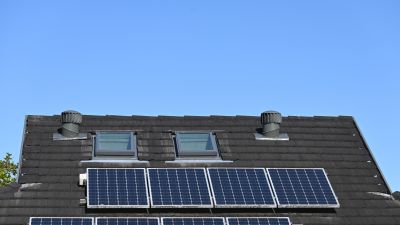
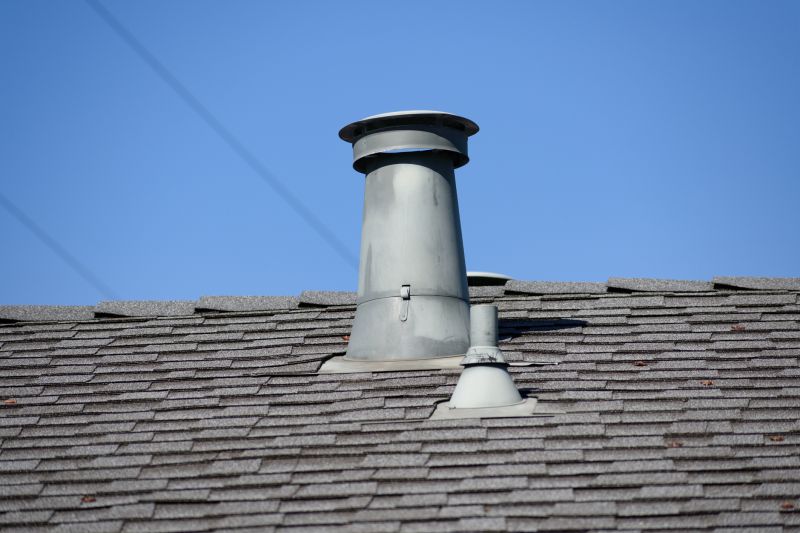
When homeowners search for how roof ventilation helps prevent moisture and mold, they are often concerned about maintaining a healthy, durable roof structure and avoiding costly repairs. Moisture buildup inside the attic or roof space can lead to the development of mold, which not only damages building materials but can also pose health risks. Many people are exploring this topic because they have noticed signs of excess humidity, such as condensation on ceilings or a musty odor, or they want to prevent these issues before they start. Understanding how proper roof ventilation can address these concerns is key to protecting the overall integrity of a property.
This topic is closely related to common property problems like attic moisture, mold growth, and roof deterioration. It often comes up during home improvement projects aimed at improving indoor air quality or increasing energy efficiency. Homeowners might be planning to replace their roof, install new insulation, or upgrade ventilation systems, and they want to ensure these efforts effectively reduce moisture problems. Additionally, those living in areas with high humidity or significant temperature fluctuations tend to be more aware of the importance of roof ventilation in controlling moisture levels and preventing mold growth.
Properties that typically come up in discussions about roof ventilation include single-family homes, especially those with attic spaces, as well as multi-family buildings, commercial structures, and even historic properties. Homes with poorly ventilated roofs are more prone to moisture accumulation, which can accelerate deterioration of roofing materials and framing. The size, design, and age of a property influence the type of ventilation needed and how effectively it can prevent moisture issues. Local contractors who specialize in roof ventilation can assess different property types and recommend solutions tailored to each structure’s specific needs.
In practical terms, understanding how roof ventilation helps prevent moisture and mold connects directly to real projects homeowners undertake. Proper ventilation systems-such as vents, exhaust fans, and ridge vents-work to circulate air and remove excess humidity from the attic or roof space. This process reduces condensation, which is a primary contributor to mold growth and material damage. When considering a roof upgrade or repair, it’s beneficial to work with local service providers experienced in installing and maintaining these ventilation systems. They can evaluate a property’s unique requirements and recommend the most effective options to keep roofs dry, healthy, and free from mold-related problems.
Attic insulation installation - proper insulation combined with ventilation helps prevent moisture buildup that can lead to mold growth inside the attic space.
Roof repair and replacement - ensuring vents are properly integrated during roof repairs can improve airflow and reduce moisture issues that cause mold.
Attic fan and vent installation - installing attic fans and vents enhances airflow, which is essential for controlling moisture and preventing mold development.
Attic insulation removal and upgrade - removing and replacing old insulation can improve ventilation effectiveness and reduce moisture retention that fosters mold.
Roof inspection services - inspections help identify ventilation deficiencies that could lead to excess moisture and mold problems if unaddressed.
Attic moisture control solutions - local contractors offer solutions like vapor barriers and ventilation upgrades to keep attic spaces dry and mold-free.
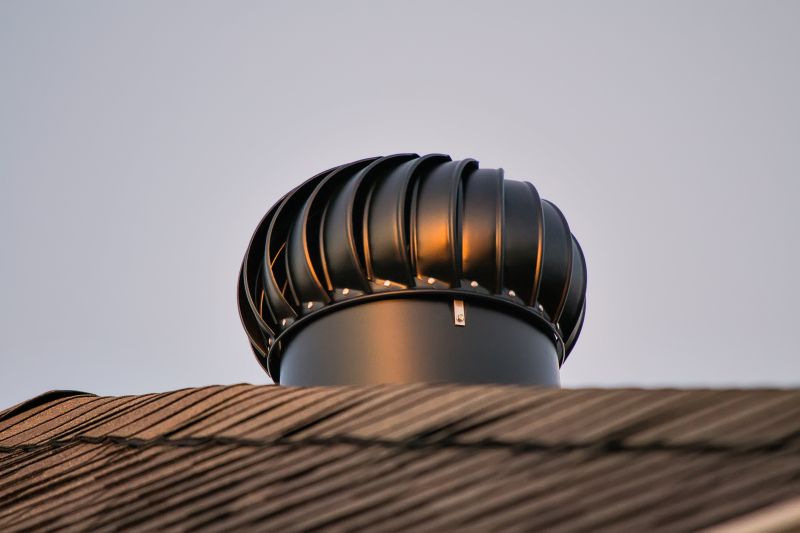
When comparing service providers for roof ventilation, it's important to consider their experience with similar projects. Homeowners should seek out local contractors who have a proven track record of installing and maintaining ventilation systems that effectively help prevent moisture buildup and mold growth. Asking about past work can provide insight into their familiarity with different roof types and climates, ensuring they understand the specific requirements for optimal moisture control. Contractors with relevant experience are more likely to recommend appropriate solutions and execute the work efficiently, contributing to a healthier and more durable roof environment.
Clear written expectations are essential when evaluating potential service providers. Homeowners should look for contractors who provide detailed descriptions of the scope of work, including the types of ventilation systems they recommend, installation methods, and maintenance considerations. Transparent communication about what the project entails helps prevent misunderstandings and ensures that both parties are aligned on the goals of reducing moisture and mold risk. Well-defined expectations also facilitate smoother project completion and allow homeowners to make informed decisions about the services they select.
Reputable references and effective communication are key factors in choosing the right local contractor. Homeowners are encouraged to ask for references from previous clients who had similar ventilation needs, as this can reveal the contractor’s reliability and quality of work. Additionally, good communication throughout the process-such as responsiveness to questions and clarity in explanations-helps build confidence in the contractor’s professionalism. Service providers who prioritize clear, ongoing dialogue are more likely to address concerns promptly and ensure that the roof ventilation system is installed correctly to support moisture prevention and mold control.
Property owners often search for how roof ventilation helps prevent moisture and mold when they are planning practical projects around their homes and businesses. Local pros provide Roof Ventilation services for everyday jobs and straightforward project options.
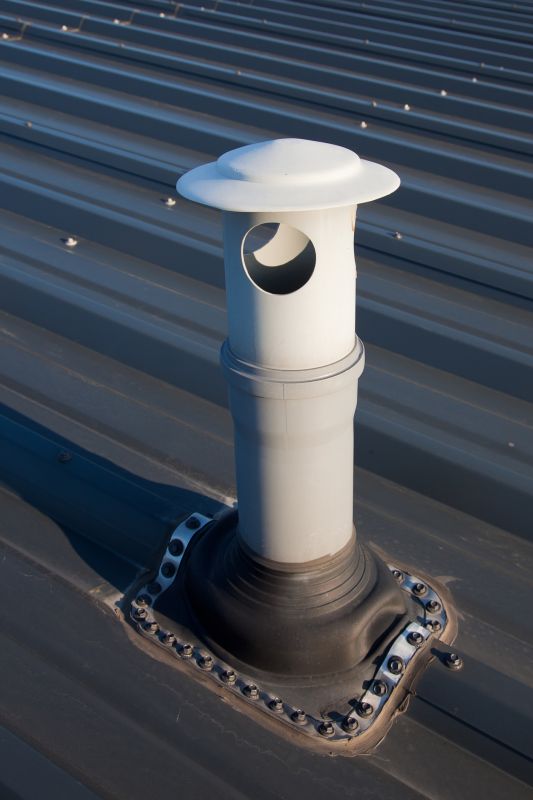
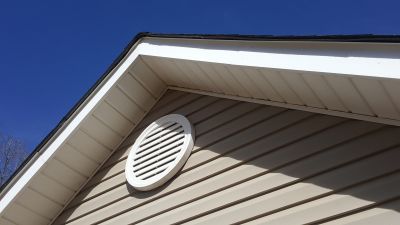
Proper roof ventilation plays a key role in preventing moisture buildup inside homes, especially in areas with high humidity or frequent weather changes. When a roof is well-ventilated, it allows excess moisture to escape, reducing the chances of condensation forming within the attic or roof space. This simple yet effective approach helps property owners avoid issues like wood rot, warped sheathing, and the development of mold, which can compromise the integrity of the structure and impact indoor air quality.
Homeowners in the area often seek out roof ventilation services from local contractors to ensure their homes stay dry and healthy. These professionals can assess existing ventilation systems and recommend solutions that suit the specific needs of each property. By working with local service providers, property owners can maintain proper airflow, minimize moisture problems, and protect their investment from the damaging effects of mold and excess humidity.
How does roof ventilation help prevent moisture buildup? Roof ventilation allows excess moisture to escape from the attic space, reducing the likelihood of condensation and dampness that can lead to mold growth. Local contractors can install or upgrade ventilation systems to improve airflow and moisture control.
Why is proper roof ventilation important for mold prevention? Proper roof ventilation helps maintain consistent attic temperatures and reduces humidity levels, which are key factors in preventing mold development. Local service providers can assess your roof and recommend effective ventilation solutions.
Can roof ventilation reduce the risk of mold in my home? Yes, by promoting airflow and reducing moisture accumulation in the attic, roof ventilation can significantly lower the risk of mold formation. Experienced contractors can install ventilation systems tailored to your roof's needs.
What types of roof ventilation are available to prevent moisture and mold? Common options include ridge vents, soffit vents, and attic fans. Local pros can evaluate your roof and suggest the most suitable ventilation methods to prevent moisture issues.
How can I tell if my roof needs improved ventilation to prevent mold? Signs include excessive attic humidity, mold spots on ceilings or rafters, and musty odors. Consulting with local roof ventilation specialists can help identify and address ventilation deficiencies effectively.
Assessing attic ventilation needs - property owners can evaluate their attic’s current ventilation to identify areas where moisture may accumulate, and seek local contractors to install or upgrade vents accordingly.
Improving airflow in the roof space - by working with local service providers, homeowners can ensure proper airflow pathways are created to reduce humidity and prevent mold growth.
Installing ridge and soffit vents - property owners can consider adding these vents with the help of local pros to promote consistent air exchange and moisture control.
Maintaining and inspecting roof vents regularly - routine checks by local contractors can help keep ventilation systems functioning effectively, reducing the risk of moisture buildup and mold development.
If you are thinking about how roof ventilation helps prevent moisture and mold for a property, this guide is meant to help you understand this topic, the typical project types, and how different options might fit your plans.
When you are ready, you can use the quote form on this page to share a few details about your project. From there, local pros can review the basics and follow up with options that match what you have in mind.