Get Tar Roof Installation
Local contractors offer Tar Roof Installation services to repair or replace damaged, aging, or leaking tar roofs on residential and commercial properties.
If you’re considering a new tar roof installation, you’ve come to the right place. Property owners in the area often explore this work to enhance the durability and weather resistance of their buildings, especially in regions prone to heavy rain or temperature fluctuations. Planning such a project involves comparing options and understanding the benefits of different roofing systems, making it helpful to connect with experienced local contractors who can provide guidance tailored to your property’s specific needs.
Exploring tar roof installation services can be a practical step toward protecting your investment and ensuring long-term performance. Local service providers are equipped to handle a range of roofing projects, helping property owners evaluate their options and choose solutions that fit their goals. Keep reading to discover how qualified contractors can assist in planning and executing a roofing upgrade that meets your property’s requirements.
- New roof installation - when building a new structure that requires a durable tar roof.
- Roof replacement - for older tar roofs showing signs of wear, leaks, or damage.
- Roof repair - to address specific leaks, cracks, or damage on an existing tar roof.
- Emergency roof services - following severe weather events that cause immediate damage to a tar roof.
- Roof inspection and assessment - to evaluate the condition of a tar roof before repairs or replacement.
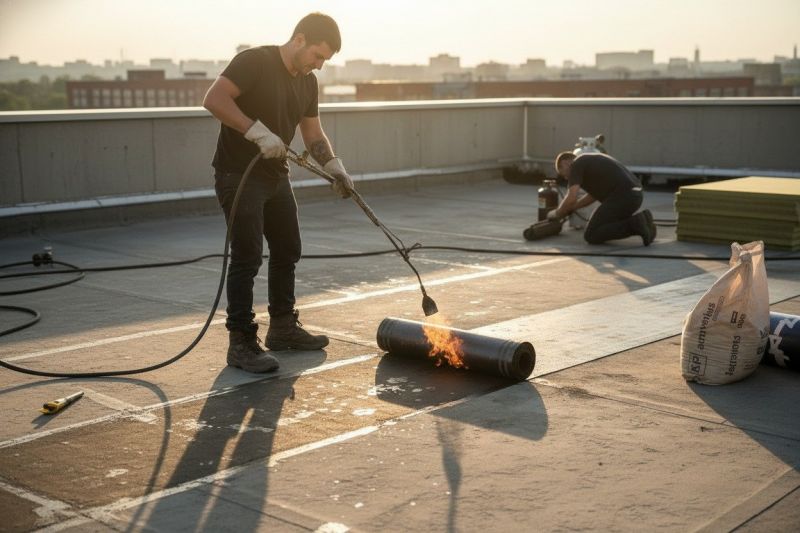
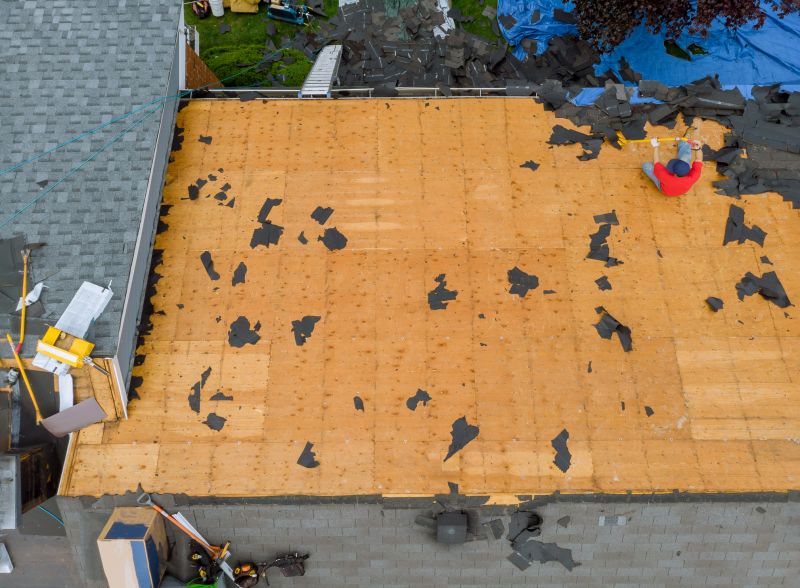
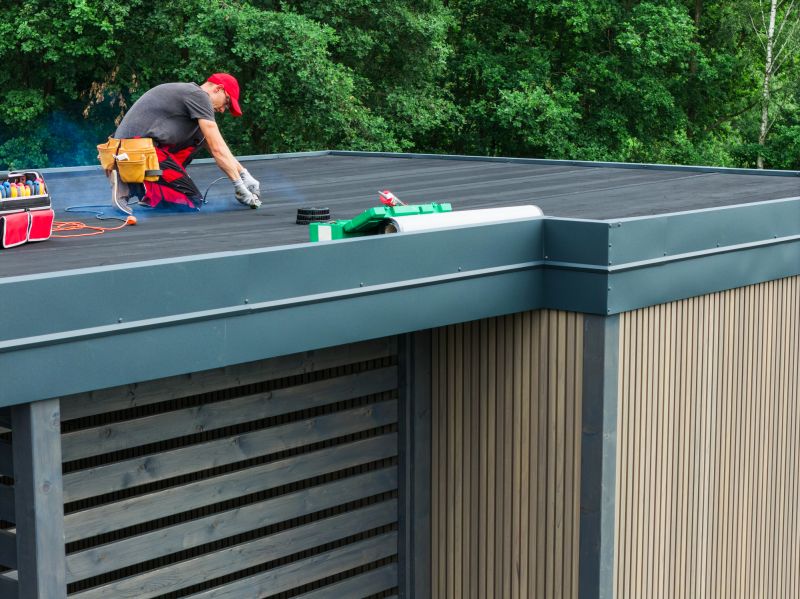
Tar roof installation involves the process of laying down a durable, weather-resistant layer of roofing material, typically made from asphalt shingles or roll roofing products. This service includes preparing the existing roof surface, ensuring proper insulation and ventilation, and securely installing the tar membrane or asphalt layers to create a protective barrier. Proper installation is essential to maximize the roof’s lifespan and to prevent issues such as leaks, water damage, or structural deterioration over time. Skilled local contractors can assess the specific needs of a property and recommend the most suitable materials and installation techniques for long-lasting results.
This service is particularly valuable for addressing common roofing problems like leaks, cracks, or deterioration caused by age, weather, or improper previous installations. A tar roof installation can help resolve persistent water intrusion issues, prevent mold growth, and improve the overall integrity of the roof. It is also an effective solution for properties that have experienced storm damage or are in need of a complete roof replacement. By installing a new tar roof, homeowners can enhance their property’s protection against the elements and reduce the risk of costly repairs down the line.
Properties that typically utilize tar roof installation services include commercial buildings, industrial facilities, and residential homes with flat or low-slope roofs. These types of roofs are more prone to water pooling and drainage problems, making a sturdy, well-installed tar roof essential. Additionally, buildings that require a cost-effective and reliable roofing solution often turn to tar roofing systems. Local contractors can evaluate the specific characteristics of each property to determine if a tar roof is the best option for providing durable, long-term coverage.
Homeowners who notice signs of roof aging, such as curling or missing shingles, water stains on ceilings, or increased energy bills, may need to consider a tar roof installation. This service can also be suitable for properties undergoing renovations or those in areas with frequent storms and heavy rainfall. When choosing local service providers, it’s important to find experienced contractors who understand the nuances of tar roofing systems and can deliver quality installation tailored to the property’s needs. Properly installed tar roofs can significantly improve a building’s protection and extend its overall lifespan.
The overview below groups typical Tar Roof Installation projects into broad ranges so you can see how smaller, mid-sized, and larger jobs often compare in your area.
In many markets, a large share of routine jobs stays in the lower and middle ranges, while only a smaller percentage of projects moves into the highest bands when the work is more complex or site conditions are harder than average.
Smaller Repairs - minor tar roof repairs typically cost between $250 and $600 for many routine jobs. These projects often involve patching or sealing small areas and are usually completed quickly by local contractors. Costs can vary based on the extent of damage and roof size.
Partial Replacement - replacing a section of a tar roof generally ranges from $1,000 to $3,000 depending on the area involved. Many projects fall within this middle range, though larger or more complex partial replacements can reach higher prices.
Full Roof Replacement - a complete tar roof replacement usually costs between $4,000 and $8,000 for most homes. Larger or more intricate roofs can push costs beyond this range, but most projects are priced within the typical band.
Complex or Large-Scale Projects - extensive or high-precision tar roof installations can exceed $10,000, especially for large commercial properties or roofs with special features. These higher-end projects are less common but handled by experienced local service providers.
Actual totals will depend on details like access to the work area, the scope of the project, and the materials selected, so use these as general starting points rather than exact figures.
Flat Roof Installation - local contractors skilled in installing flat roofing systems often have experience with materials and planning similar to tar roof projects.
Commercial Roofing Services - commercial roofing projects involve similar planning, tools, and surface preparation as residential tar roof installations.
Roof Repair and Restoration - repairs and restoration work require knowledge of roofing materials and surface assessments comparable to those used in tar roofing.
Membrane Roofing Installation - installing membrane roofs shares techniques and tools with tar roof installation, especially in waterproofing and surface prep.
Hot Tar and Asphalt Roofing - projects involving hot tar or asphalt roofing require similar handling, heating equipment, and safety measures as tar roof installation.
Roof Coating and Waterproofing - applying protective coatings on roofs involves surface preparation and material application skills akin to tar roofing services.
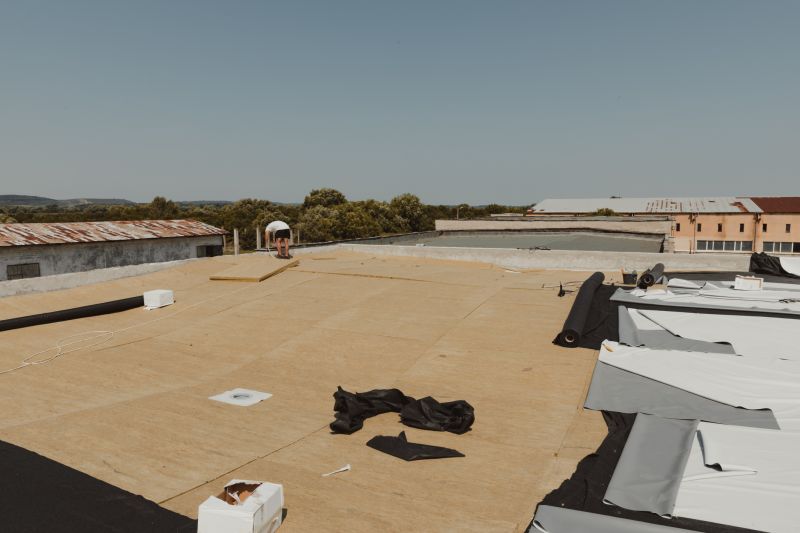
When comparing local contractors for tar roof installation, it’s important to consider their experience with similar projects. Homeowners should inquire about how many tar roof installations the service providers have completed and whether they have worked on properties comparable in size and style. An experienced professional will be familiar with the specific challenges and best practices associated with tar roofing, which can contribute to a more successful outcome. Ensuring that contractors have a proven track record with projects like yours helps to build confidence in their ability to handle the job effectively.
Clear, written expectations are essential when evaluating potential service providers. Homeowners should seek detailed proposals that outline the scope of work, materials to be used, and any relevant project milestones. Having a comprehensive, written plan helps prevent misunderstandings and ensures all parties are aligned on what will be delivered. Reputable contractors are typically willing to provide this level of documentation, which can serve as a valuable reference throughout the project. Clear expectations also facilitate smoother communication and help set realistic standards for the work involved.
Good communication and reputable references are key factors in selecting a reliable contractor. Homeowners can ask for references from previous clients to gain insight into the contractor’s professionalism, quality of work, and adherence to timelines. It’s also beneficial to evaluate how promptly and clearly the contractor responds to questions or concerns during the initial contact phase. Service providers who prioritize transparent communication and have positive references are more likely to deliver a satisfactory experience. Remember, this site introduces homeowners to local options for tar roof installation, but the actual work will be handled by trusted local contractors who can be contacted directly to discuss specific project details.
Property owners use Tar Roof Installation services for practical projects around their homes and businesses. This guide focuses on everyday jobs and straightforward project options.
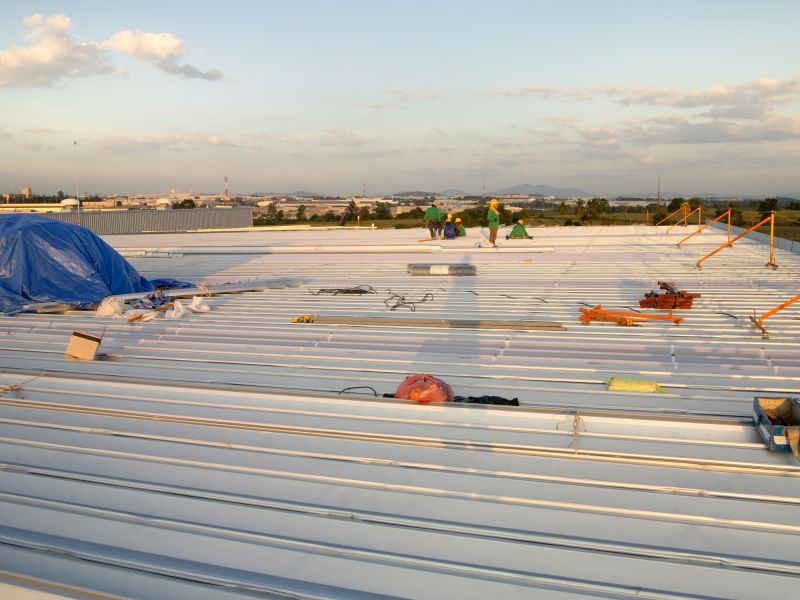
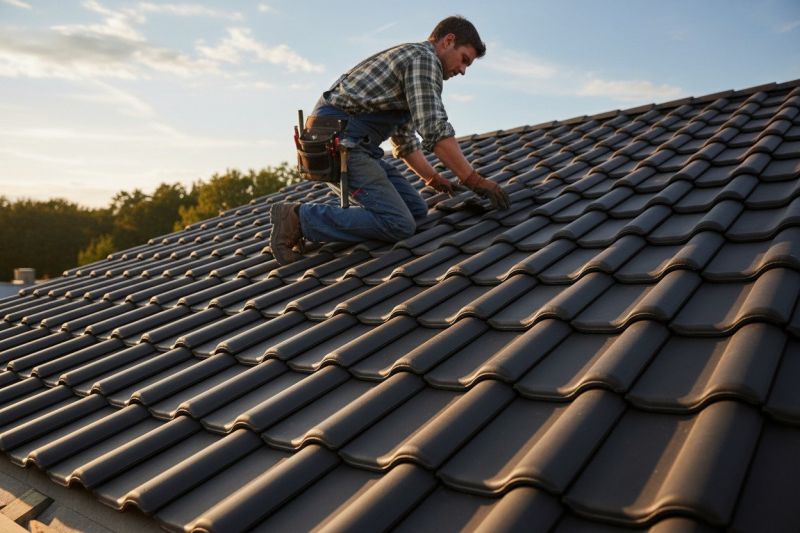
Tar roof installation is a common project for property owners dealing with aging or damaged roofs. Whether a roof has developed leaks, shows signs of wear, or is simply reaching the end of its lifespan, local contractors can provide the necessary expertise to replace or upgrade the existing tar roof. These services are often sought after by homeowners and business owners who want to ensure their property remains protected from the elements and maintains its overall value.
Many property owners look for tar roof installation services when preparing for weather changes or after experiencing storm damage. Additionally, those planning renovations or upgrades may choose to replace an outdated roof with a more durable or energy-efficient option. Local service providers are available to handle these projects, offering professional installation that helps maintain the integrity and appearance of the property.
What are the benefits of installing a tar roof? Installing a tar roof can provide a durable and weather-resistant covering for flat or low-slope roofs, helping to protect the building structure from water infiltration and environmental damage.
What types of buildings typically use tar roof installations? Tar roofs are commonly used on commercial buildings, warehouses, and residential flat-roof structures where a reliable waterproofing solution is needed.
How do local contractors prepare for a tar roof installation? Contractors typically inspect the existing roof surface, clean and repair any damage, and then apply layers of hot asphalt and roofing felt or membrane for a secure, long-lasting seal.
What maintenance is required after a tar roof installation? Regular inspections for cracks, blisters, or pooling water, along with timely repairs, can help extend the life of a tar roof and maintain its protective qualities.
Can a tar roof be installed over an existing roof? Yes, in many cases, a tar roof can be installed over an existing roof, but it depends on the condition of the current surface and local building codes; a professional assessment is recommended.
Preventing Water Damage - Property owners can consider installing a new tar roof to protect the building from leaks and water intrusion during heavy rain.
Improving Energy Efficiency - Upgrading to a tar roof can help improve insulation and reduce energy costs for heating and cooling.
Renovating or Replacing Old Roofing - When an existing roof shows signs of wear, local contractors can provide options for a durable tar roof replacement.
Enhancing Curb Appeal - A fresh tar roof can give a building a cleaner, more polished appearance for improved overall aesthetics.
If you are thinking about Tar Roof Installation for a property, this guide is meant to help you understand the work, the typical project types, and how different options might fit your plans.
When you are ready, you can use the quote form on this page to share a few details about your project. From there, local pros can review the basics and respond with options that match what you have in mind.